
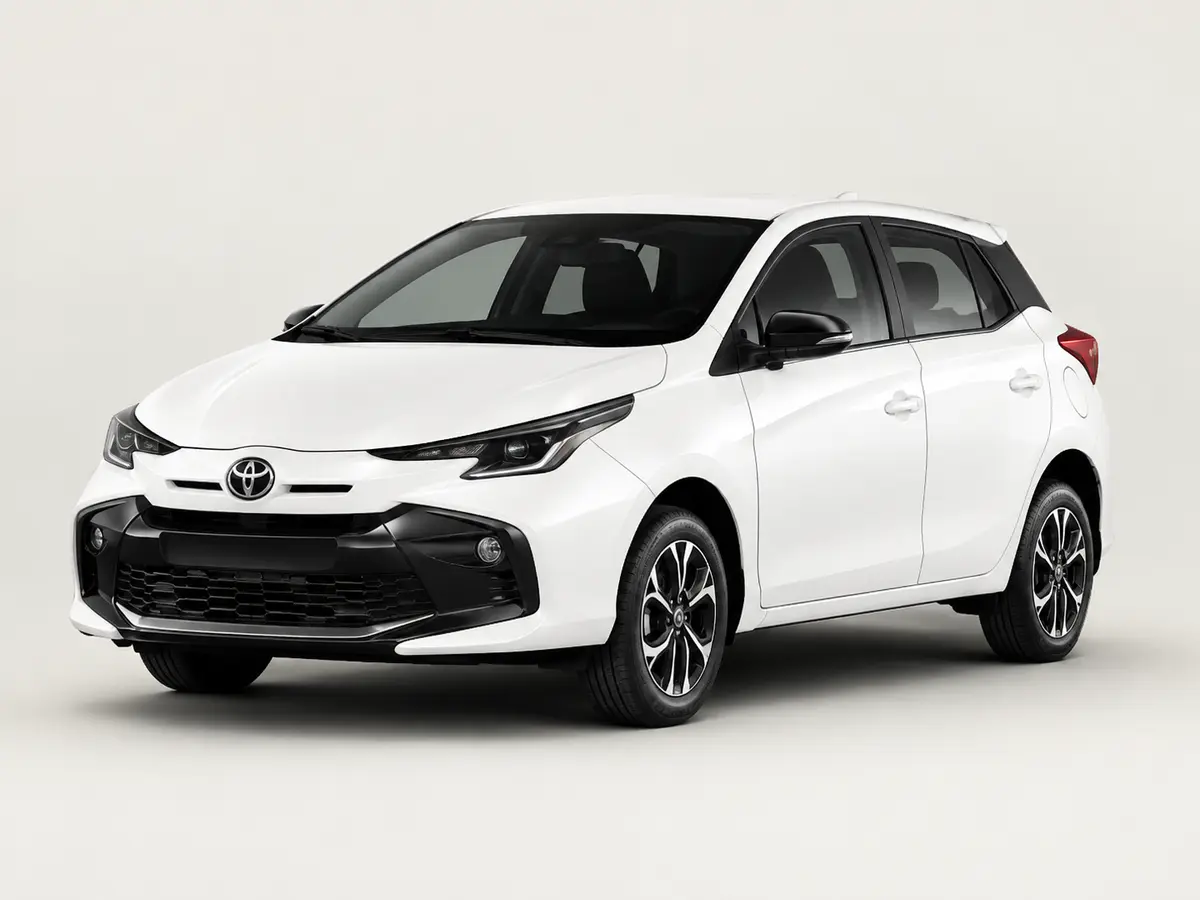
What matters most before you drive?
Do not treat ‘insurance included’ as a complete answer. Ask for the policy applying to the selected car and authorised driver, the covered risks, exclusions and your excess. Keep the deposit and final rental charge separate, confirm a licence accepted in Thailand, and record the car's condition with the supplier before leaving. The signed agreement and actual policy control a claim.
Six questions to settle before paying
Ask for answers for your exact car and dates, not a generic fleet statement. Keep the response with your quote.
| Question | Evidence to request | Why it matters | Next action |
|---|---|---|---|
| Which driver and car are covered? | Plate, named/authorised drivers and rental-use conditions | A general insurance claim may not describe your booking | Confirm before pickup |
| What damage is covered? | Policy schedule for the rented car, third parties and exclusions | Injury cover, damage to your car and property liability are different questions | Request the actual wording |
| What is your excess? | Written excess for each relevant incident and any exclusions | A deposit does not define your maximum liability | Keep it separate from the deposit |
| What happens to the deposit? | Amount, payment receipt, deduction rules and return method/date | The rental price and refundable security are separate cash flows | Document at payment and return |
| Which uses are excluded? | Written rules for flood, alcohol, wrong fuel, other drivers and leaving the island | A supplier clause can change what you owe even when insurance is included | Confirm for this supplier |
| Who handles a breakdown or claim? | Working emergency contact and incident/reporting procedure | You need instructions before an incident, not after it | Save offline |
Confirm the supplier, car and total quote in writing
A quote should identify who supplies the vehicle, the model or category, collection and return times, delivery location, total rental charge, deposit, fuel rule, child-seat arrangement if needed, cancellation terms and who receives the payment. A model shown online is not live stock. Maya can request the written details for your dates before you decide.
Read the cover, not just the word ‘insured’
Ask whether the selected rental car has cover for its own damage or theft, liability for injury and property damage to others, and any driver or passenger benefits. Ask whether the policy applies to paid rental use, who may drive, the effective dates, excess, claim steps and exclusions. Your personal travel insurance is a separate policy: check it directly with your own insurer rather than assuming it pays for damage to the rental vehicle.
Thailand's insurance regulator distinguishes compulsory and voluntary motor-insurance questions. That distinction alone does not reveal the scope of your particular rental policy. Request the policy schedule and supplier agreement for the chosen car.
Separate excess, deposit and final rental cost
The excess is the amount or rule you may bear under a covered claim; the deposit is security held or paid and normally reconciled at return; the rental charge pays for the agreed period. One is not automatically a cap on another. Ask what can be deducted, whether uninsured loss or loss of use is charged separately, and when and how any balance is returned. Keep the receipt and payment trail.
Check the exclusions that can change the bill
An agreement excerpt supplied to Crazy GAKKO on 11 September 2026 says the car must stay on Koh Phangan, excludes insurance for accidents under the influence of alcohol, assigns wrong-fuel repair costs to the renter and contains special flood-damage terms. It also prohibits subleasing. These are examples from one supplied agreement, not universal rules for all island rentals. Confirm the full current wording and the selected car's policy before payment.
- Ask whether unpaved roads, floodwater, tyres, glass, keys and an additional driver are covered or excluded.
- Do not take a car to another island without written permission and applicable cover.
Verify the licence for the actual driver
Thai government guidance says a foreign tourist must hold a driving licence valid for use in Thailand. Check the document and vehicle category for each driver with the issuing authority or the Thai transport office; requirements for an international permit can vary by origin. The rental desk handing over a key does not establish that a driver is legally or contractually covered. Check your travel insurer's requirements too.
Make the handover record before leaving
Photograph or film the car with the supplier present, then agree on the written condition sheet. The aim is a shared record of what existed at pickup, not a guarantee of mechanical condition. Save the agreement and support contact offline.
- Record all sides, roof, bumpers, wheels, glass and the interior; mark existing scratches on the form.
- Photograph the plate, odometer, fuel gauge and any warning lights before driving away.
- Check tyres, lights, signals, brakes and air conditioning; report a fault before accepting the car.
- Agree on keys, spare tyre or repair kit, child seat where requested and the return location.
Plan for Koh Phangan roads and weather
Send the accommodation pin and check its final access road with the supplier. A 4×4 label does not grant permission to use every track. Rain, low visibility, steep slopes and standing water change the risk. Avoid unfamiliar routes after dark, never drive through floodwater, and use a non-driving return plan after drinking.
Know what to do after a breakdown or collision
First move to safety and seek local emergency help for injuries. Then follow the policy and supplier's reporting instructions: contact the stated number promptly, document the scene and other parties' details where safe, keep receipts and obtain written approval before arranging repairs or a replacement. Do not assume a verbal promise will satisfy a claim deadline.
Close the rental with a record
Return the car at the agreed time and place. Photograph its condition, fuel and odometer again, obtain a signed return record and keep any charge or deposit deduction explained in writing with a receipt. Do not leave an unresolved charge to a later verbal conversation.
When to pause the booking
Pause if the provider cannot identify the car or supply a written agreement, refuses to clarify insurance and excess, cannot record existing damage, or asks for an unexplained deposit or payment to an unrelated party. Ask for clarification or choose another arrangement. The goal is a booking you understand, not the fastest handover.
Frequently asked questions
Does ‘insurance included’ mean full cover?
No specific scope follows from that phrase. Request the policy applying to the selected car and authorised driver, including damage, third parties, exclusions and excess, before payment.
Is a car-rental deposit the same as the insurance excess?
No. The deposit is security reconciled at return; excess is a rule for what you may pay on a covered claim. The contract must explain both and any uninsured charges separately.
Does travel insurance pay for damage to a rental car?
Do not assume it does. Ask your travel insurer about the particular vehicle, driver, licence, territory and any rental-car excess benefit; read the separate rental policy and contract as well.
Which licence can a foreign tourist use in Thailand?
Thai government guidance requires a licence valid for use in Thailand. Confirm the accepted documents and vehicle category for your nationality with the issuing authority or Thai transport office before driving.
What if the car already has a scratch at pickup?
Photograph it and mark it on the supplier's signed handover record before leaving. Keep your copy and repeat the condition photos at return.
Can I take my Koh Phangan rental car to Koh Samui?
The agreement excerpt supplied to Crazy GAKKO on 11 September 2026 prohibits taking its rental car off Koh Phangan. For any selected supplier, get written permission and applicable insurance cover before considering an off-island trip.
What this guide is based on
Information was checked on the date shown at the top of the page. Schedules, hours, prices and service conditions can change—the direct source is final.
- Thailand Government — foreign tourist driving licence Official licence guidance
- Office of Insurance Commission — OIC Connect Thai insurance regulator
- UK FCDO — Thailand road travel and vehicle hire Government travel and insurance guidance for UK visitors